Livestock Watering Solutions
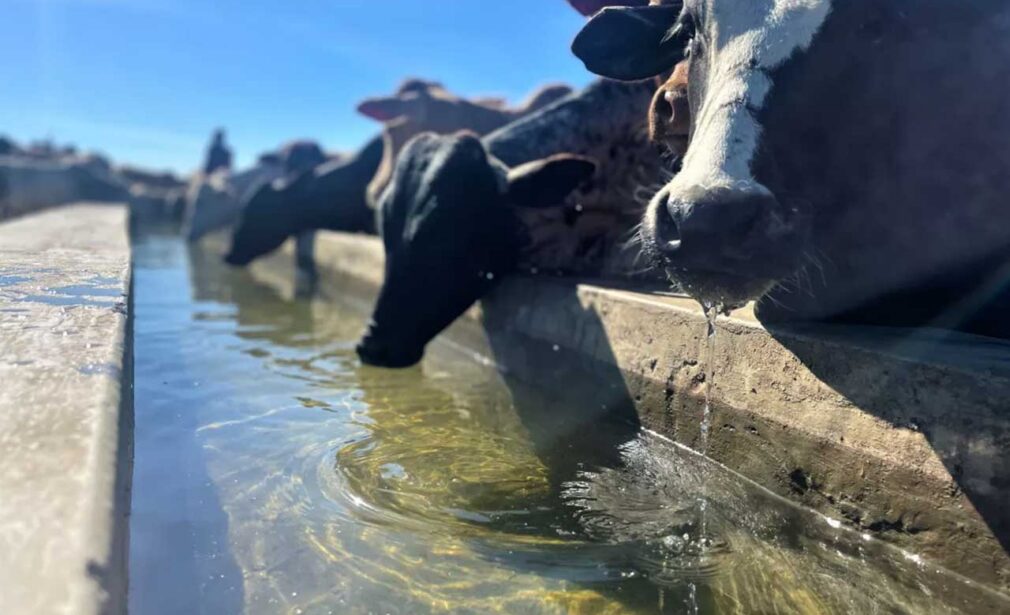
Reliable access to clean and sufficient water is essential for healthy livestock and sustainable agriculture.
At Eco-Lakes International, we provide innovative Livestock Watering Solutions that support pastoral and farming communities
across Uganda and Africa’s dryland regions. Our systems are designed to ensure that animals thrive even during prolonged dry seasons.
Through the construction of artificial lakes, water harvesting systems, and efficient distribution networks,
we make it possible for farmers and herders to maintain livestock productivity while reducing pressure on natural water sources.
Our approach emphasizes durability, accessibility, and environmental sustainability.
What We Offer
- Artificial Lake Design for Livestock: We construct purpose-built lakes and ponds that provide safe and year-round water for cattle, goats, and other livestock.
- Water Distribution Systems: We install gravity-fed and solar-powered pumping systems to supply water from lakes to troughs and grazing areas efficiently.
- Community Watering Points: We establish shared livestock watering facilities that serve multiple farms and communities, promoting cooperation and equitable access.
- Water Quality Management: We monitor and maintain water quality through aeration, filtration, and vegetation management to ensure livestock health and ecosystem safety.
- Training & Capacity Building: We equip farmers and herders with the knowledge and tools to manage water resources effectively and sustainably.
Our Impact
- Improved livestock health, productivity, and survival rates in drought-prone regions.
- Reduced conflicts and migration caused by competition for water resources.
- Enhanced income and food security for rural farming and pastoral communities.
- Promotion of sustainable grazing and water resource management practices.
- Strengthened resilience of rural livelihoods against climate change effects.
With Livestock Watering Solutions from Eco-Lakes International,
communities can sustain healthy herds, secure their livelihoods, and build resilience in the face of a changing climate —
one lake, one farm, and one community at a time.